Résumé de section
-

- Module leader & Course Creator: Dr.Nadjia MEDJAHDI, Associate Professor in Electronics
-
Institution: Higher School of Applied Sciences of Tlemcen (ESSA-Tlemcen)
-
Department: Second Cycle Studies
-
Email Contact: nadjia.medjahdi@essa-tlemcen.dz
-
Office Hours: Tuesdays, 11:30 AM – 4:30 PM | Location: Room 09
-

By the end of this course, students will be able to:
-
Understand the electrical and optical properties of semiconductors, including charge transport mechanisms, recombination processes, and energy bands.
-
Master the electronic structure and electrical behavior of semiconductor materials.
-
Illustrate fundamental concepts of semiconductor device physics (e.g., PN junction diodes).
-
Explore semiconductor applications across electronics, optoelectronics, and photonics.
-
Analyze the operational principles of intrinsic and extrinsic semiconductors to design and optimize specialized electronic devices.
-
Solve complex engineering problems related to semiconductor devices.
-
-
Required Knowledge
-
Physics: Electron energy levels and solid-state materials.
-
Electronics: Conductivity, resistivity, and PN junction diodes.
-
Advanced Math: Poisson and local Maxwell equations in conductors.
-
-
Chapter I: Generalities
Chapter II: Key Properties of Semiconductors
Chapter III: Undoped and Doped Semiconductor
Chapter IV: Semiconductor at Equilibrium
Chapter V: Poisson’s Equation in semiconductor junctions
Chapter VI: Low Non-Equilibrium Perturbations (Charge Transport)
Chapter VII: High Non-Equilibrium Perturbations (Carrier Generation and Recombination)
Chapter VIII: Space-Time Evolution Equations
Chapter IX: Fluctuation Overview and Electrical Noise
Chapter X: Interfaces between Dissimilar Materials and Heterostructures
-

Real-time discussion
-

Student discussion board
-
-
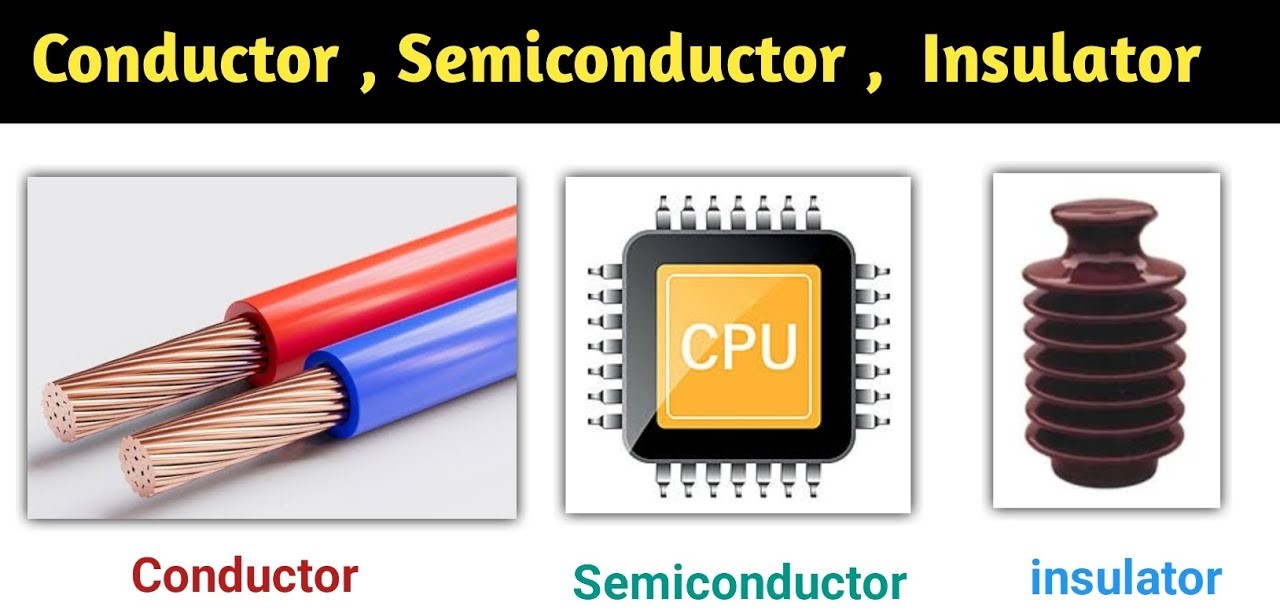
Pre-Chapter Question: What are the different types of solid materials, and how can they be classified?
-
-
-
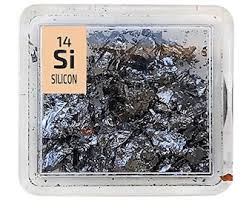
Pre-Chapter Question: What makes silicon the standard material for electronic components, and what key semiconductor properties distinguish it from conductors and insulators?
-
-
-
-
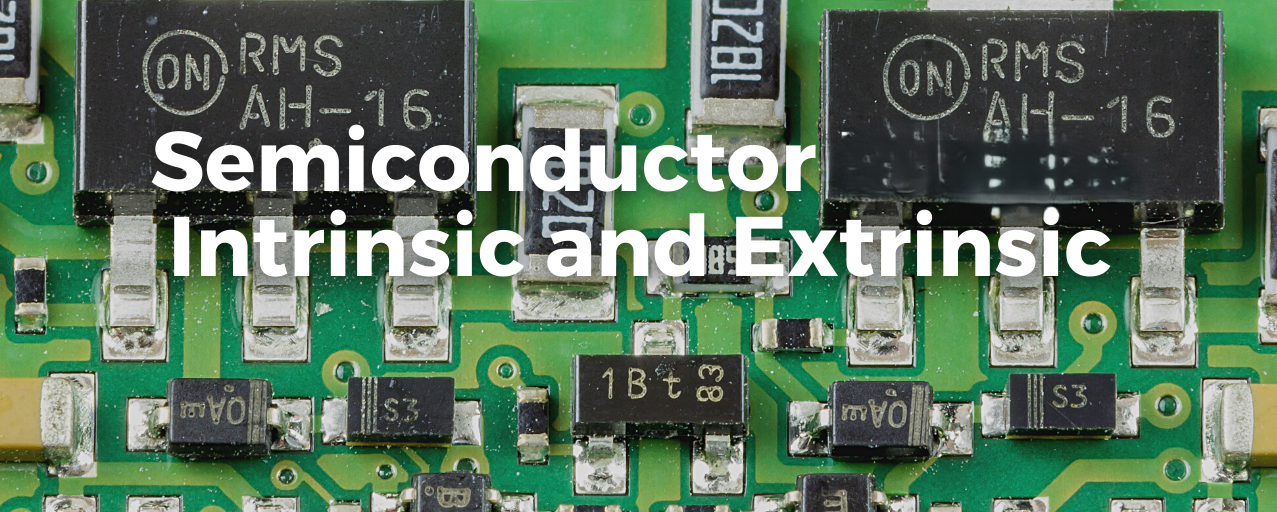
Pre-Chapter Question: What is the difference between an intrinsic (undoped) and an extrinsic (doped) semiconductor? How do N-type and P-type materials differ in terms of dominant charge carriers?
-
-

-
Pre-Chapter Question: Semiconductors at Equilibrium: How do thermal generation and recombination reach a dynamic balance at a given temperature?
Discuss with your peers below.
-
-
-
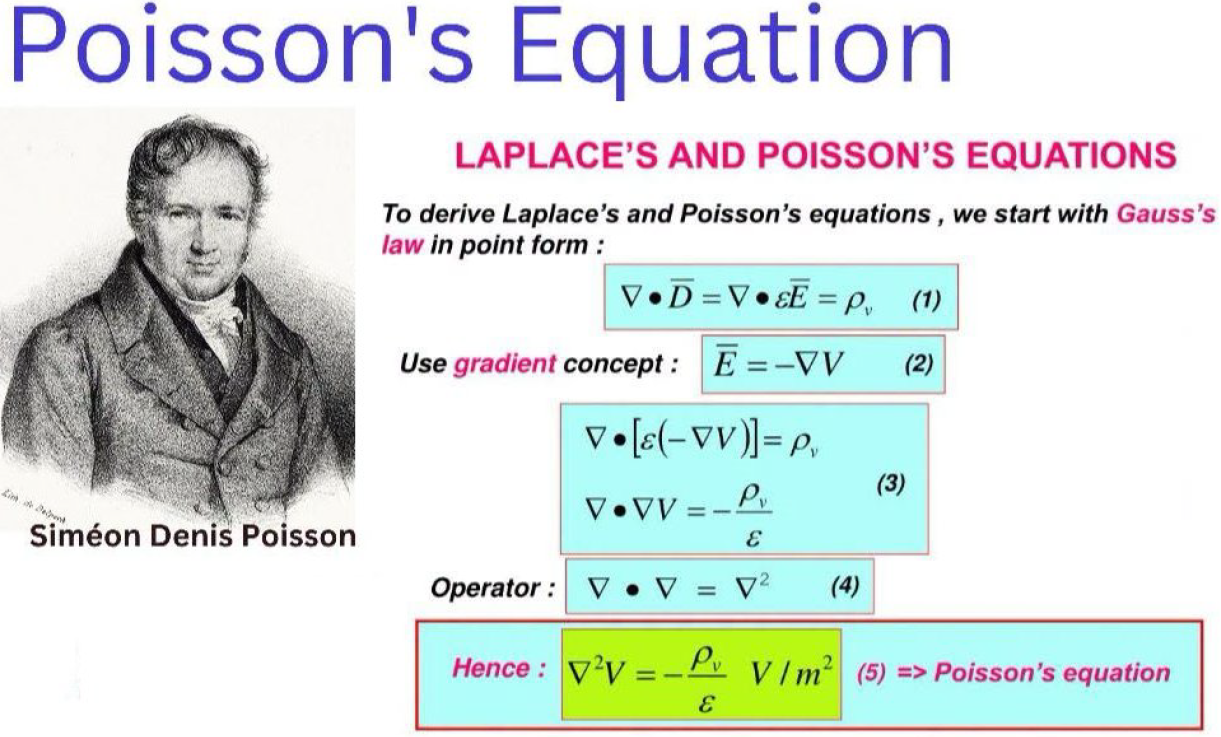
Pre-Chapter Question:
How does Poisson’s equation relate charge density (space charge) to electrostatic potential and electric field distribution within a semiconductor material?
Share your initial thoughts and discuss with your peers before starting this chapter!
-
-
-
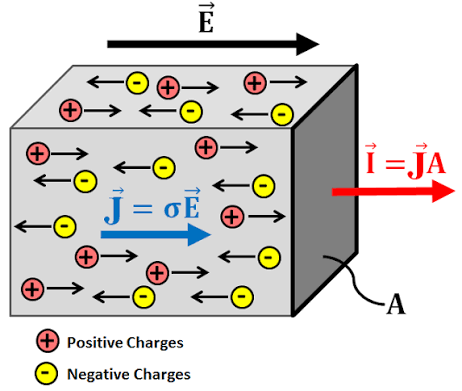
Pre-Chapter Question:
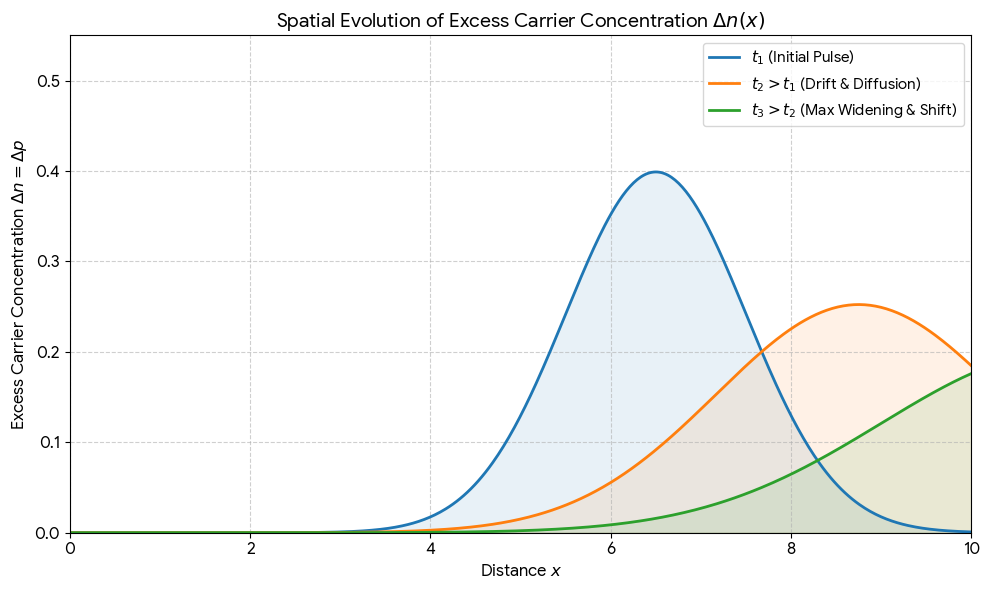
Out of Equilibrium: What happens to excess electron-hole pairs under low-level excitation, and how is the continuity equation used to model their lifetime and transport?
Discuss with your peers below.
-
-
-
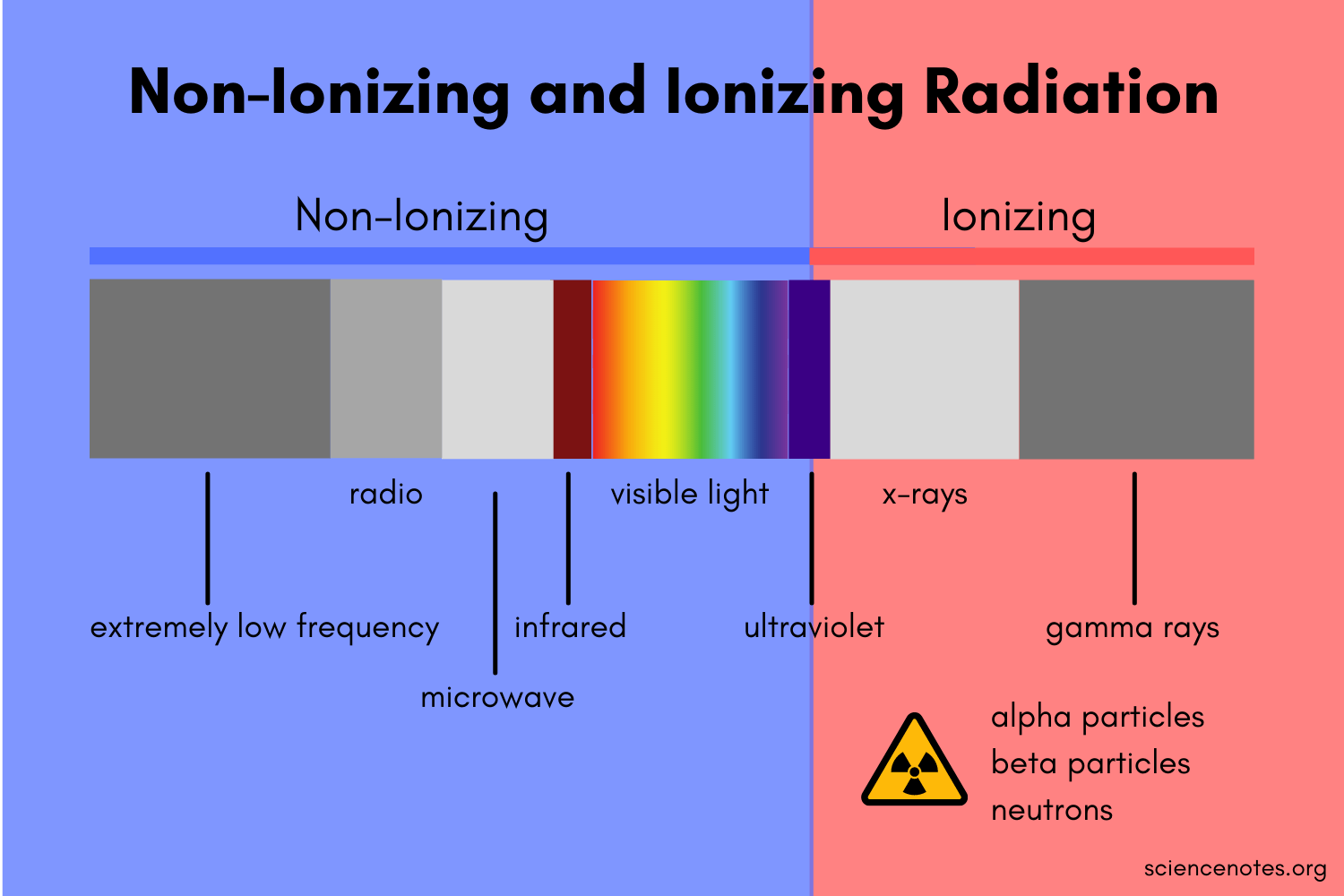
Pre-Chapter: What happens to electrical conductivity and carrier transport when excess carrier concentrations approach or exceed the background doping concentration?
Exchange your ideas with your classmates below before diving into the lesson!
-
-
-
Pre-Chapter Question: How do we distinguish between intrinsic thermal noise (Johnson-Nyquist) and shot noise in electronic circuits?
Share your initial thoughts and discuss with your peers before starting this chapter!
-
-
-
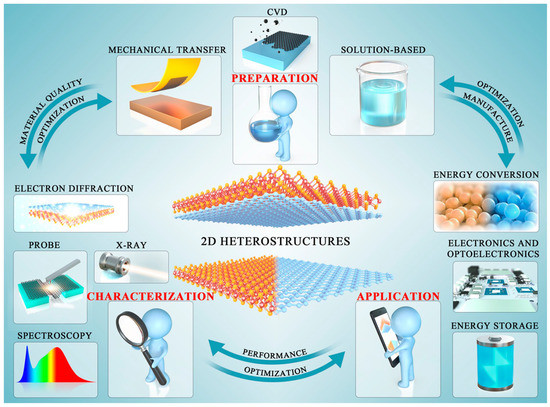
Pre-Chapter Question: What band alignment mechanisms and interfacial phenomena occur when two dissimilar semiconductors (or a metal and a semiconductor) are joined together.
Discuss with your peers below.
-
-
Follow this link to review the course material and build on your knowledge.